I am looking for a wireless (preferably wifi) relay system that can operate standalone - ie can create its own wifi network for communicating between devices.
Use case would be to avoid having to run switching wires from point A to B. Input device would have an Input trigger and the output device would have a dry contact relay.
I have found some devices that can do this via 433mhz but would prefer to have 2.4ghz
If anyone has any suggestions or is aware of something off the shelf that can do this then please let me know.
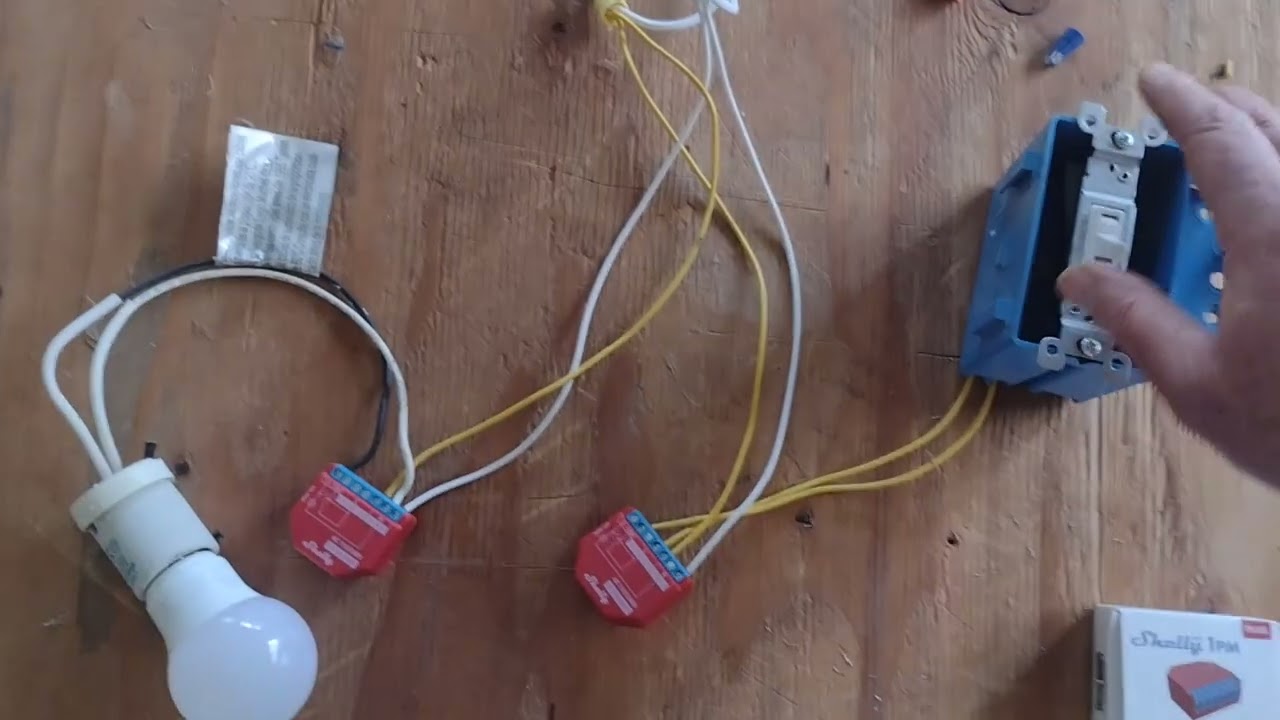
Yeah the Shelly’s do have an AP mode. I’ve only ever used it for initial configuration to connect the device to my wifi network. I’ve never connected one Shelly to another’s AP. Other than limited range and lack of security I don’t see any reason why it would not work.
That’s pretty much the definition of zigbee, tbh, with the added bonus that mains powered devices also act as routers in the mesh, extending the range.
You can look into tasmesh with tasmota.
It requires esp32 (like shelly mini/sonoff mini r4) as the broker and esp8266 as nodes.
Then can just create a rule like button press to toggle the relays
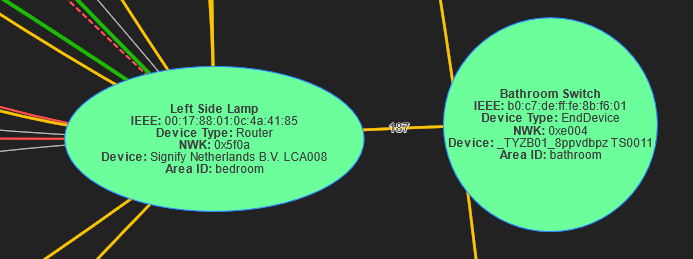
For clarification here its smart plugs, power point, smart relays if they are listed as and other devices that act as routing points. Switches don’t without a neutral, they are listed as end point.
It will state in the visualization in ZHA if a device type is EndDevice or Router
I guess this thread throws up the old question of whether you have all your automations within home assistant, or whether it should be within devices / or between devices like direct between switch and bulb. There are advantages disadvantages both ways.
Import costs depending on where you are from would need to be accounted for if they ship international (else you would need a reshipping service to ship from a locker in the country they ship to only then go from there to your location).
All you need for them devices is a Zigbee coordinator like the usb based skyconnect or a network based version like the SMLight SLZB-06M and ZigStar UZG-01, then you pair them using either ZHA or Zigbee2MQTT.