Looking at the plumbing aspect - what a mess of hose connections that ‘european solution’ suggests! The cost! The risk of one of them popping out and causing a flood is high. Even the diagram in the user manual from Rainbird is far better. Please look it up before you go any further.
If you want to make it a robust plumbing installation, replace the tap with a valve for maintenance shutoff purposes, connect the output to 6 way manifold using pipe, not hose, and connect your solenoids directly into the manifold. The master control valve is optional - you turn it on at the same time as any of the other solenoids.
Depending on your water flow requirements, select the appropriate sized fittings. You can go up in size if they are cheaper, but shouldn’t go down as your water flow rate will suffer.
Back to the controller. The global industry standard is 24volts AC for low voltage watering systems. That is what your existing Rainbird system is using. I’m assuming your existing Rainbird power supply transformer and solenoid water valves are still functional, If not, any generic irrigation 24V AC one will do - you don’t have to stick with Rainbird parts.
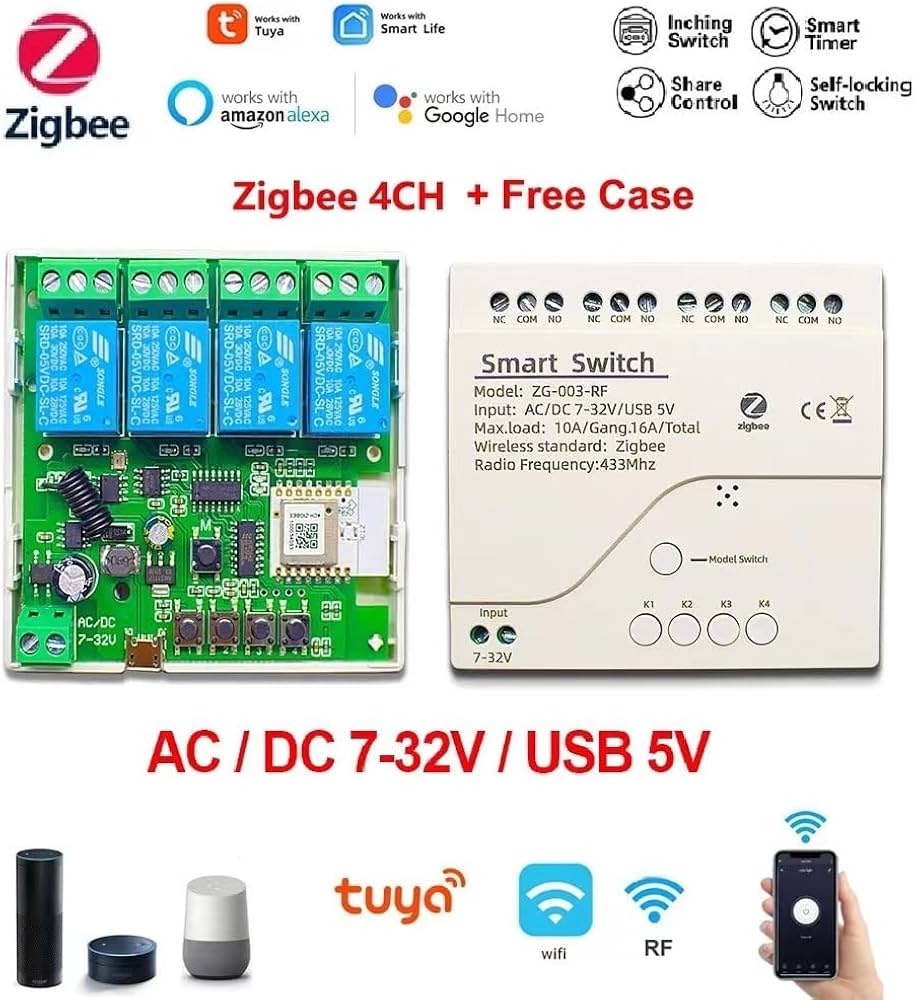
The easiest path for you may to retain all your existing plumbing, your existing Rainbird 24V AC transformer, and just disconnect the existing wires from the Rainbird controller and connect them to a cheap 8 port (just ignore the unwanted channels) Arduino style relay board and control that with an ESP32 board, whether WiFi, ZigBee, or Matter/Thread (depending on the ESP model) via ESPHome, and use an existing sprinkler integration in HomeAssistant to solve your immediate problem.
A fuse is a protective device in case of overload. Most sprinkler system transformers are quite robust. Fitting one at the same rating as your transformer output will provide protection. Just connect it in line with one of the two AC output lines coming from the transformer and it will blow if there is an overload or short in the wiring. Some transformers, particularly switching ones, are designed to sustain a short or overload for extended periods, so a fuse can be superfluous.
Cheating and using the existing sprinkler transformer 24V AC to power your ESP32 and relay board may involve a small stepdown power supply regulator, or you could just use a seperate wall wart or cheap cell phone power supply to power that side of things. One rated at 5V 2Amps DC should be more than adequate for both the ESP and 8 port 5V relay board. You may even find a board that has the power supply, ESP and relays all in one. (That is basically what your Rainbird is anyway)
Whatever route you take, keep in mind that water and electricity don’t mix. Keep all your electrical stuff inside a waterproof enclosure or keep it inside and just run the low voltage wires to the water solenoids.
Your local plumbing supply store can often be a wonderful store of hints and ideas on the plumbing aspects, and also on how to calculate what sprinklers and drippers can be connected to each channel. Even browsing some of the other popular sprinkler system designs online from other vendors will soon show you they basically follow the same principles, the differentiation being ease of use and control, something you are giving over to HomeAssistant.
Please advise on progress or if you have any questions.
 )
)